A new chapter at Acadia · Winery & restaurant coming soonDiscover what’s ahead

The story of Acadia

A remarkable past.
A family’s next chapter.

An Ohio farmstead, a celebrated cattle and horse estate, and a meeting place that reached across borders. Today, Nick, Gus, and family are shaping its next chapter around wine and hospitality.

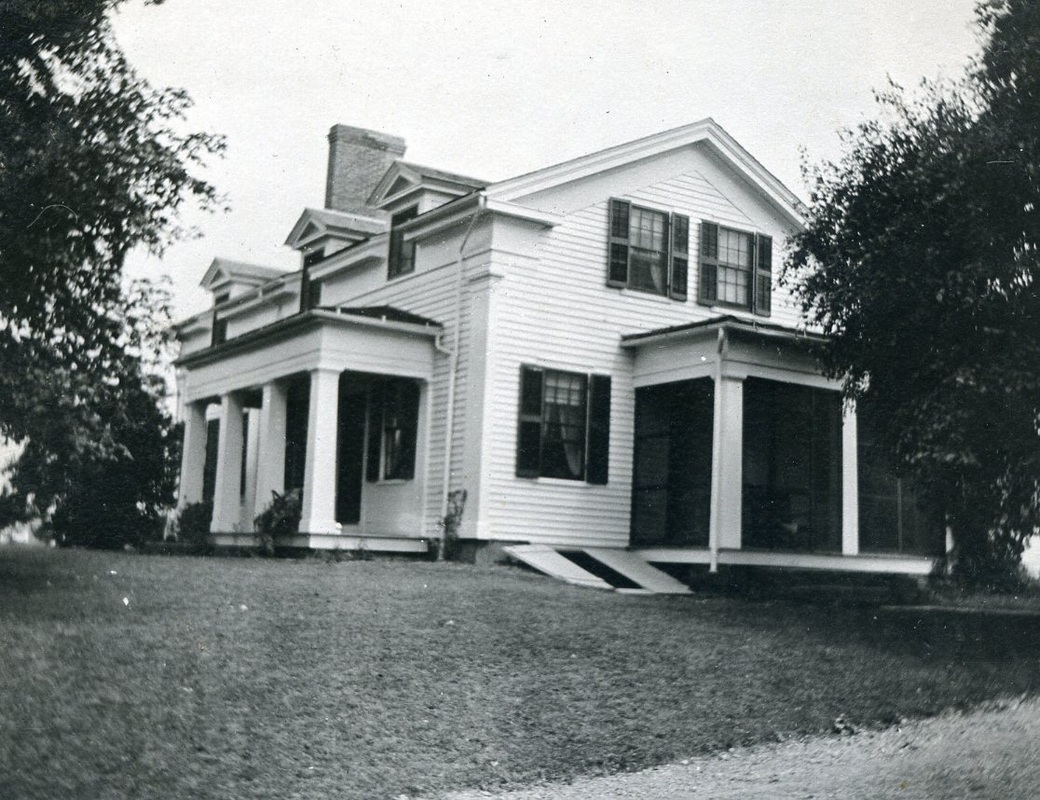
Archival photograph of the Acadia Farms house during the Eaton eraAcadia Farms in the Eaton years · Thinkers Lodge Histories
“We wanted to build a legacy and make a space that families can come and enjoy for years to come.”

— THE KAFANTARIS FAMILY

The farmstead was here before Cyrus Eaton arrived in 1912. During his lifetime, it became a family home, a working agricultural estate, and an unexpected setting for international encounters.

Historic accounts often call the location Northfield. Today, Acadia Farms stands on Olde Eight Road in Sagamore Hills, where the surviving estate carries that history forward.

For the Kafantaris family, the next chapter is personal. The winery brings together the character of a historic Ohio estate and a family tradition of food, wine, and generosity that reaches back to Greece.

The land & its life

A working farm.
A world of its own.

Acadia grew from a modest country property into an Eaton-era estate described in historical accounts as roughly 800–870 acres. That acreage belongs to the estate’s past; today’s Acadia preserves a smaller part of the original grounds.

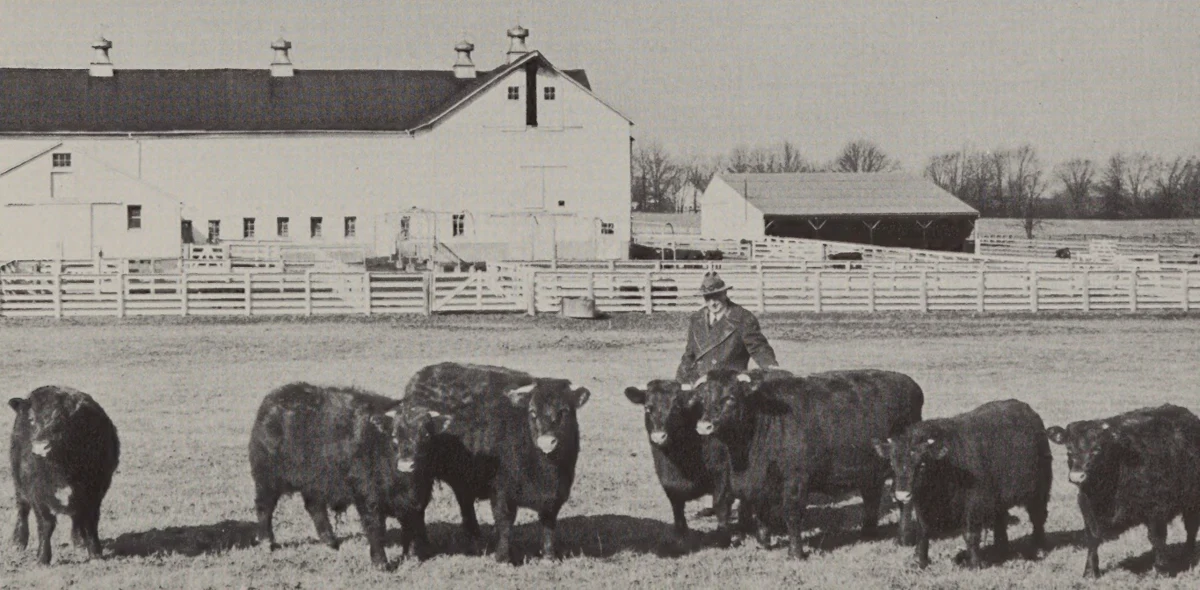
Purebred Scotch Shorthorn cattle brought Acadia recognition well beyond Ohio. Horses were equally woven into daily life, with riding, a horse barn, and an indoor arena remembered in Eaton family accounts. Stables and the arena remain part of the property’s character today.

Cleveland State University Library The New Yorker · archival transcript

An international meeting place

Conversations
across borders.

At the height of the Cold War, Eaton advocated closer relations between the United States and the Soviet Union. Acadia’s visitors connected agriculture and family hospitality with political and diplomatic life—from Harry S. Truman’s tour of the farm to Anastas Mikoyan’s presentation of a Russian troika.

These encounters belong to the wider story of Eaton’s peace advocacy and his support for the Pugwash movement. The first Pugwash conference took place in Nova Scotia in 1957; Acadia was his Ohio home and a separate setting for international exchange.

Encyclopedia of Cleveland History Harry S. Truman Presidential Library

The estate through time

Chapters of Acadia.

Before 1912
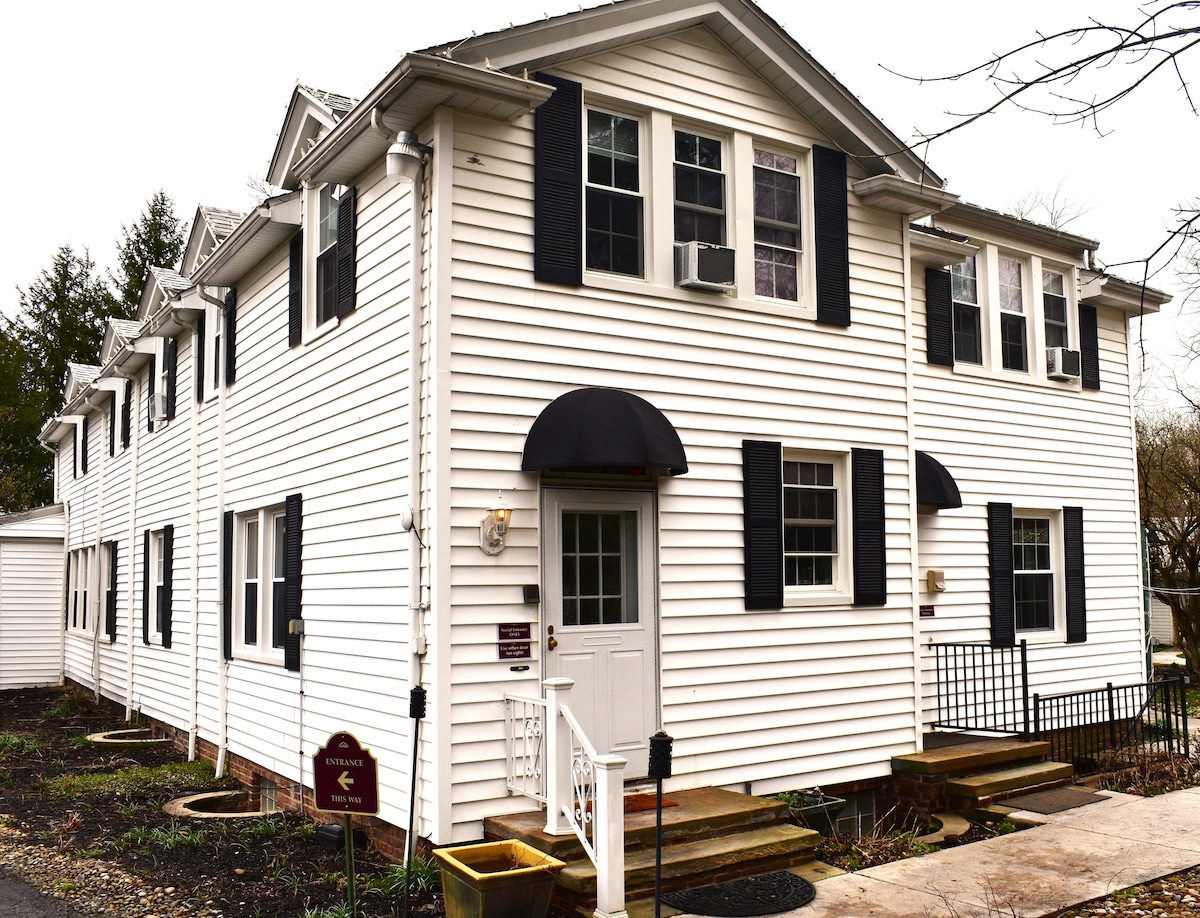
The surviving Acadia Manor · Existing rental photograph.
The surviving Acadia Manor · Existing rental photograph. View source

An older Ohio farmstead

The story begins before Eaton.

Historical accounts describe an existing farmhouse on the property when Eaton bought it. George E. Condon associates the early farmstead with Connecticut pioneer John Wilson. Its precise founding and construction dates remain uncertain.

Cleveland State University Library
1901–1903
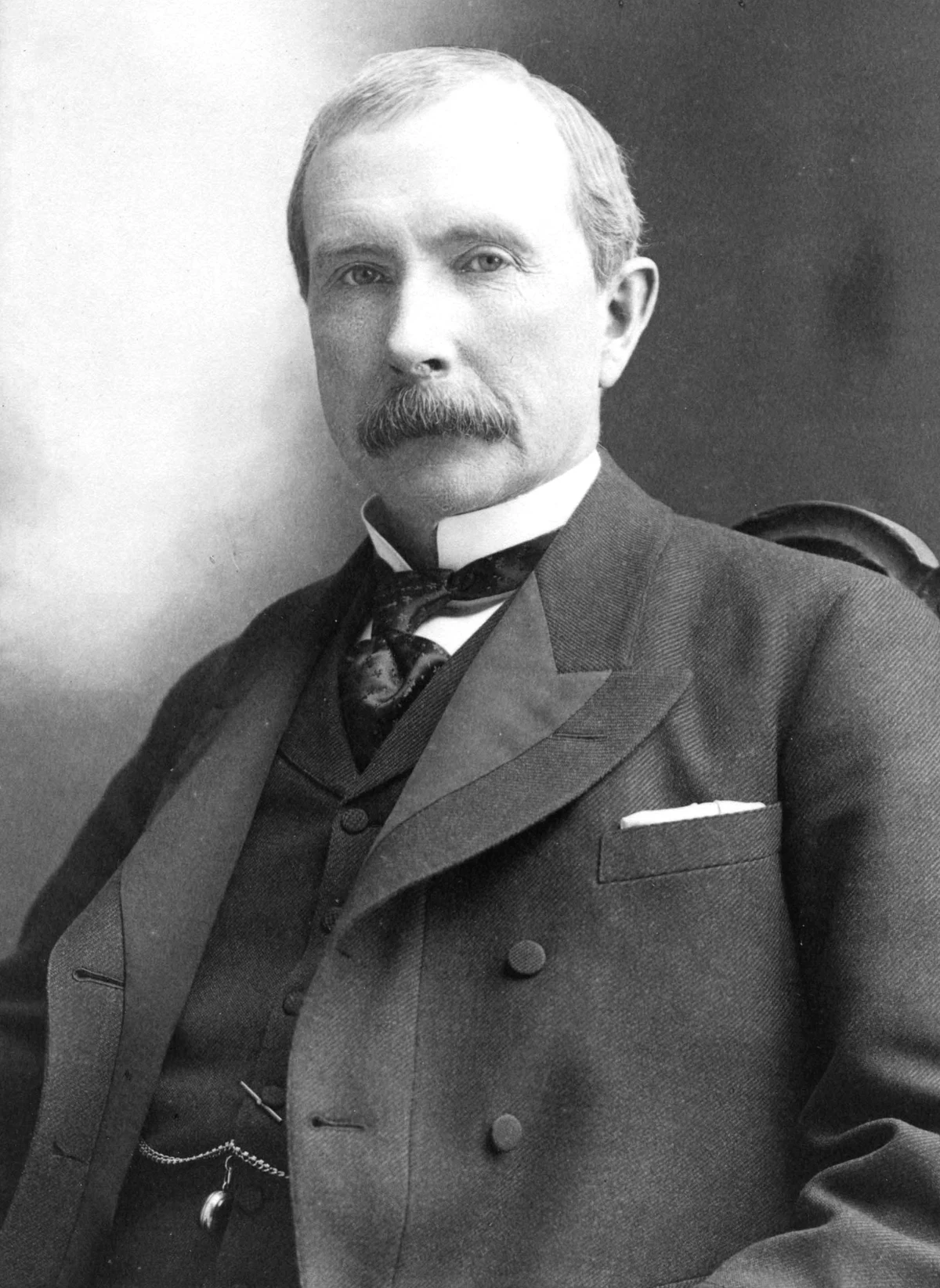
John D. Rockefeller Sr., 1895 · Davis and Sanford.
John D. Rockefeller Sr., 1895 · Davis and Sanford. View source

Before Acadia · A Cleveland connection

Eaton learns from Rockefeller.

As a student, Cyrus Eaton spends his summers working for John D. Rockefeller Sr. at Forest Hill. The experience helps shape Eaton’s early business education, years before he purchases Acadia Farms.

Cyrus Eaton’s own recollections · 1973
1912
Acadia in the Eaton years · Photograph date unconfirmed.
Acadia in the Eaton years · Photograph date unconfirmed. View source

The Eaton years begin

A country retreat called Acadia.

Cyrus Eaton purchases the farm as a summer and weekend retreat for his family. He names it Acadia, recalling the historic name associated with his native Nova Scotia.

The New Yorker · archival transcript
Circa 1930
Cyrus Eaton · Portrait published in 1929.
Cyrus Eaton · Portrait published in 1929. View source

A year-round home

Country life becomes everyday life.

After years of seasonal visits, Acadia becomes Eaton’s permanent residence. The house sits within a working estate of rolling hills, groves, ponds, cattle, and horses.

Cleveland State University Library
1951
Eaton with calves at Acadia · Photograph published in 1956.
Eaton with calves at Acadia · Photograph published in 1956. View source

Agriculture & community

The cattle auctions begin.

Eaton begins holding cattle auctions at Acadia every two years. Breeders and visitors gather around the prize-winning Shorthorns that help define the farm’s agricultural reputation.

The New Yorker · archival transcript
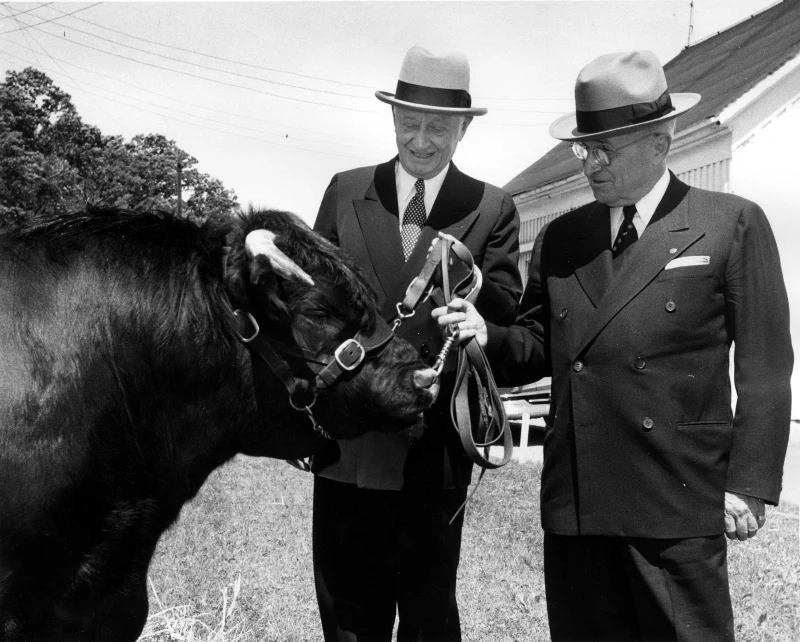
June 1955
Eaton shows Truman a prize bull at Acadia · June 3, 1955.
Eaton shows Truman a prize bull at Acadia · June 3, 1955. View source

A presidential visitor

Harry Truman tours the farm.

On June 3, former President Harry S. Truman visits Acadia Farms. A photograph preserved by the Truman Library shows Eaton introducing him to a prize bull during his Cleveland trip.

Harry S. Truman Presidential Library
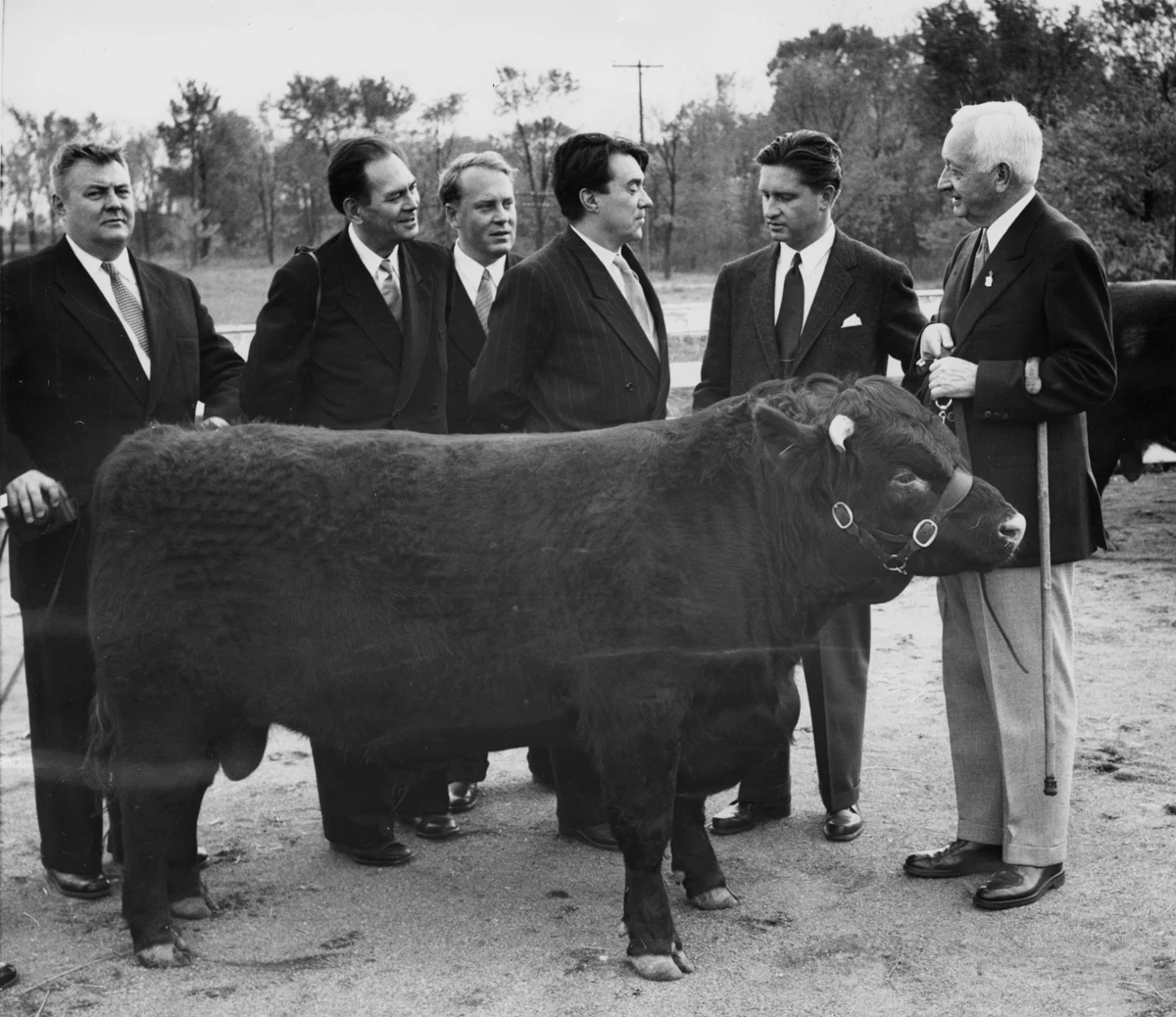
October 1955
Soviet journalists visit Acadia · October 28, 1955.
Soviet journalists visit Acadia · October 28, 1955. View source

Conversation across borders

An international welcome.

On October 28, Eaton welcomes Soviet journalists to Acadia Farms during a State Department exchange. The visit becomes part of his growing commitment to dialogue with the Soviet Union.

CWRU archival photograph and caption
1956
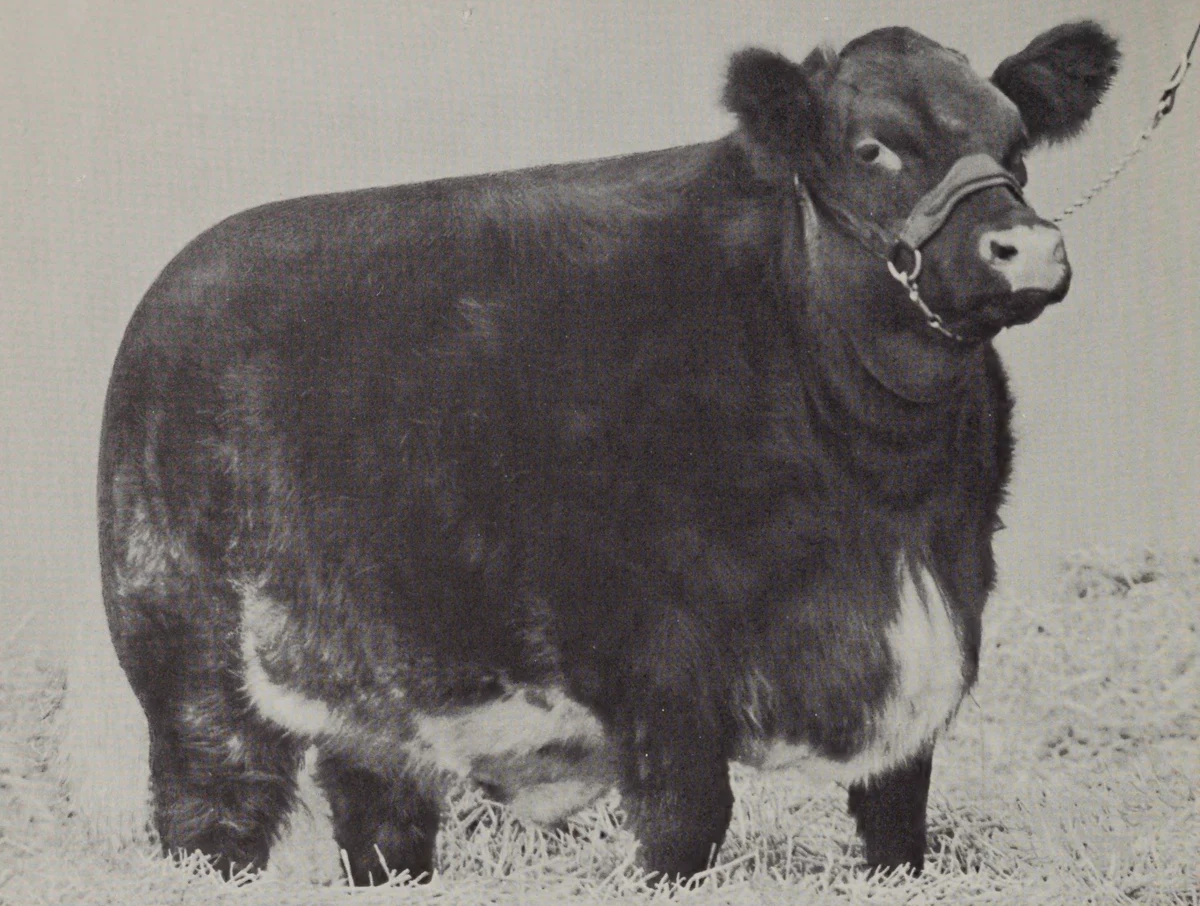
PS Troubadour · 1956 International Grand Champion.
PS Troubadour · 1956 International Grand Champion. View source

A champion bred at Acadia

PS Troubadour wins in Chicago.

PS Troubadour, a Shorthorn steer bred by Eaton at Acadia Farms, wins the International Grand Championship in Chicago. Raised and exhibited by Pennsylvania State University, the steer carries Acadia’s breeding legacy onto an international stage.

USDA National Agricultural Library record · FAO AGRIS
1959
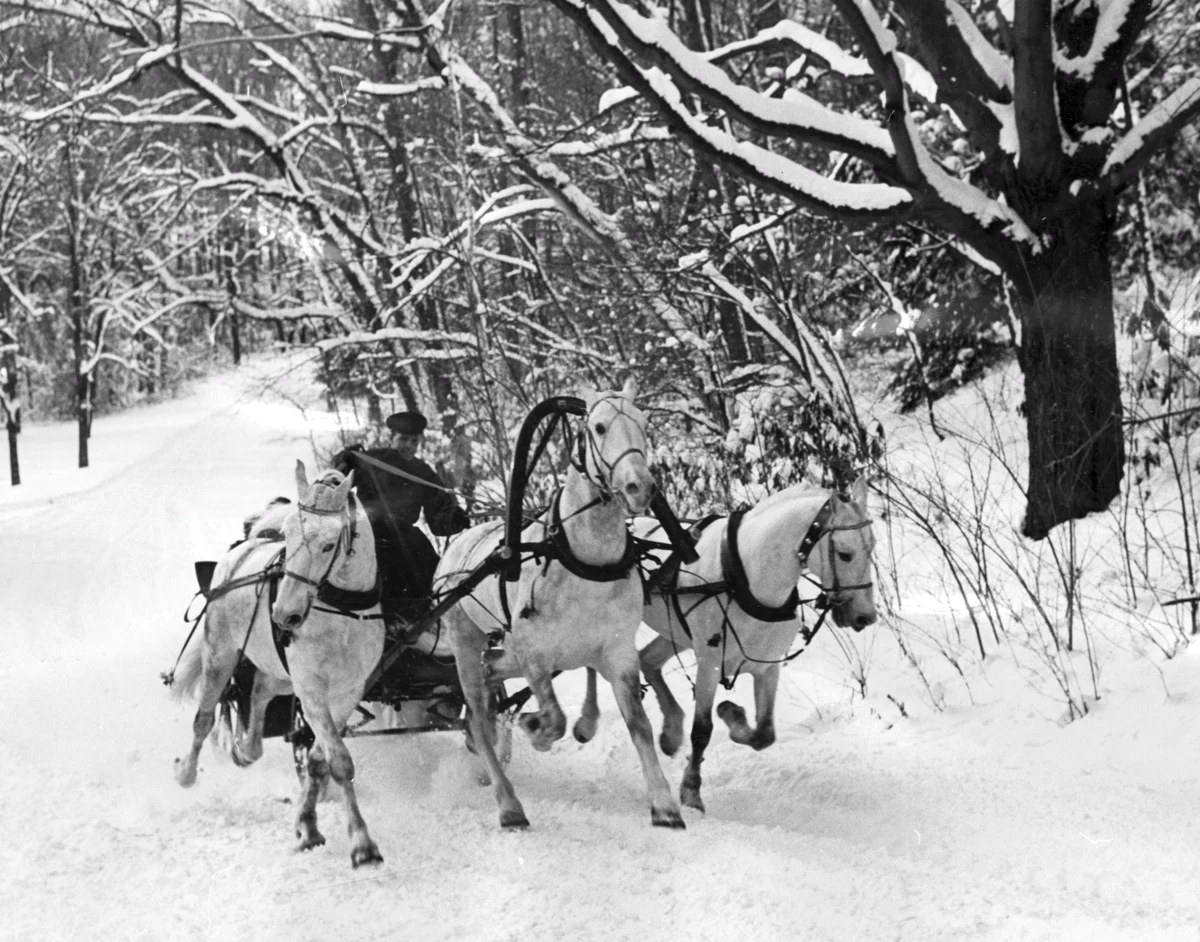
The Russian troika at Acadia · Photographed March 2, 1959.
The Russian troika at Acadia · Photographed March 2, 1959. View source

An extraordinary gift

A Russian troika at Acadia.

Soviet statesman Anastas Mikoyan formally presents Eaton with a Russian troika at Acadia: three horses with a carriage and sleigh. The gift follows Eaton’s donation of prize-winning Shorthorn bulls to the Soviet Union.

Encyclopedia of Cleveland History
1962
Acadia’s agricultural life · Context photograph published in 1956.
Acadia’s agricultural life · Context photograph published in 1956. View source

Fifty years at Acadia

A milestone shared around the table.

Eaton marks fifty years at the estate with a luncheon attended by ambassadors from Bulgaria, Czechoslovakia, Hungary, Poland, and Romania. Farm life and international conversation continue to meet at Acadia.

The New Yorker · archival transcript
1979
Remembering Cyrus Eaton · Portrait published in 1929.
Remembering Cyrus Eaton · Portrait published in 1929. View source

The close of an era

Eaton’s lifetime at Acadia ends.

Cyrus Eaton dies at his Acadia Farms home on May 9. Over the decades that follow, the wider estate is reduced, leaving the historic property that begins a new family chapter in 2020.

Encyclopedia of Cleveland History
2020
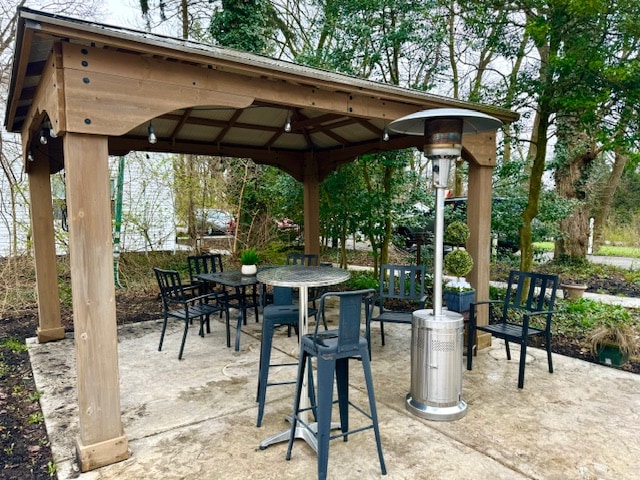
The estate grounds · Existing rental photograph.
The estate grounds · Existing rental photograph. View source

A new family chapter

The Kafantaris family arrives.

The historic property enters Kafantaris family ownership in November. The surviving homes, grounds, and equestrian setting become the foundation for a new vision of hospitality.

Nordonia Hills News · property history
2025
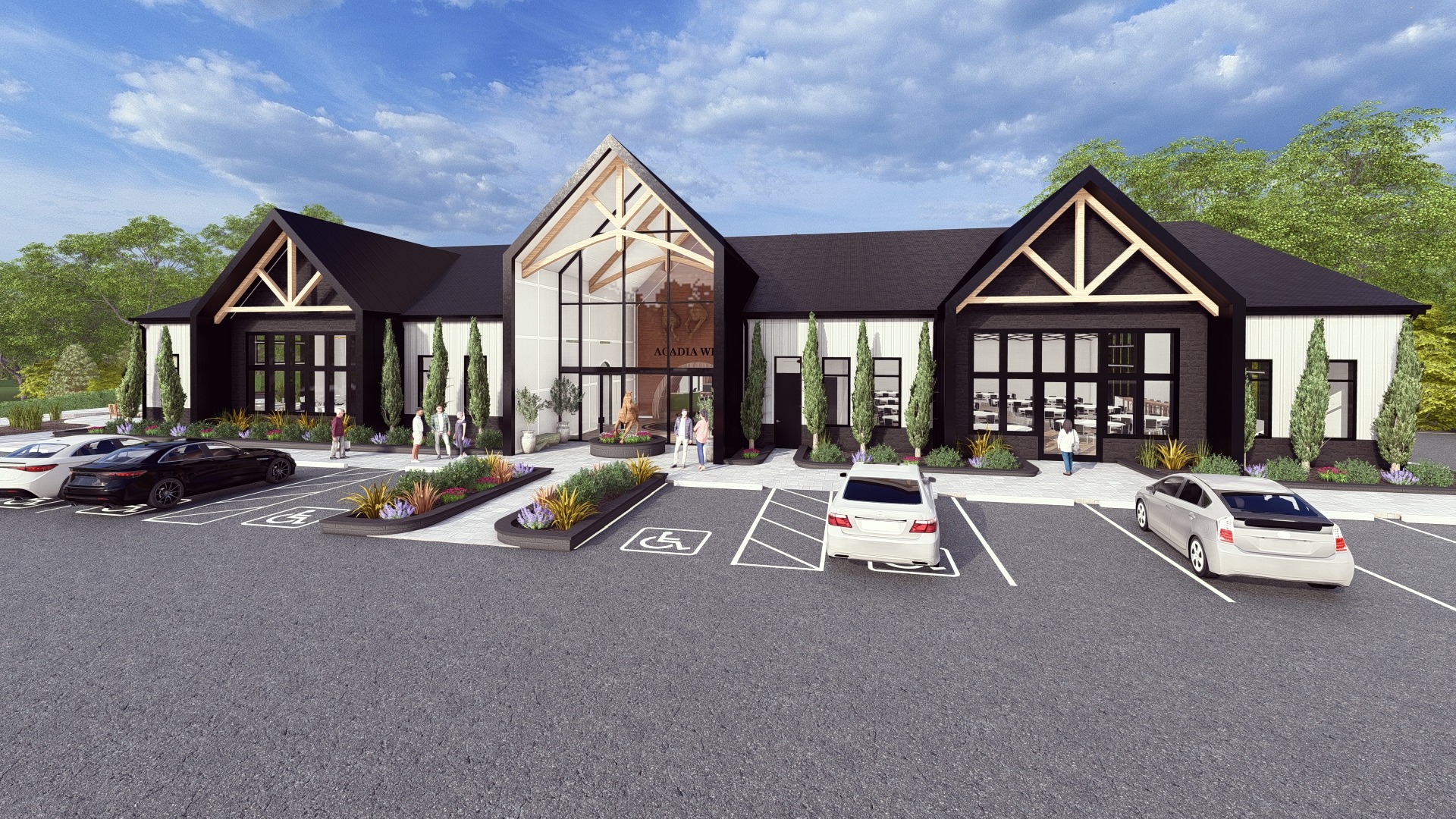
Architectural rendering of the future winery.
Architectural rendering of the future winery. View source

The winery takes shape

A plan for Acadia’s future.

Sagamore Hills approves the final site plan for the winery and restaurant. Wine, dining, and hospitality become the focus of the estate’s next chapter.

Nordonia Hills News · plan approval
Looking ahead
Acadia Winery · The family’s next chapter.
Acadia Winery · The family’s next chapter. View source

Nick, Gus & family

A winery for the next generation.

Nick, Gus, and family are developing Acadia Winery with a collection of wines, a restaurant, and indoor and outdoor wedding settings. The Acadia Manor, Carriage House Loft, Well House, and Arena View Cottage invite a longer estate stay, with The Bunker coming soon.

Historical accounts and archival records are linked beside the relevant chapters. Explore the sources. The current family story and winery plans were shared by the Kafantaris family.
The Acadia way

Make a little more time
for each other.

Discover the winery